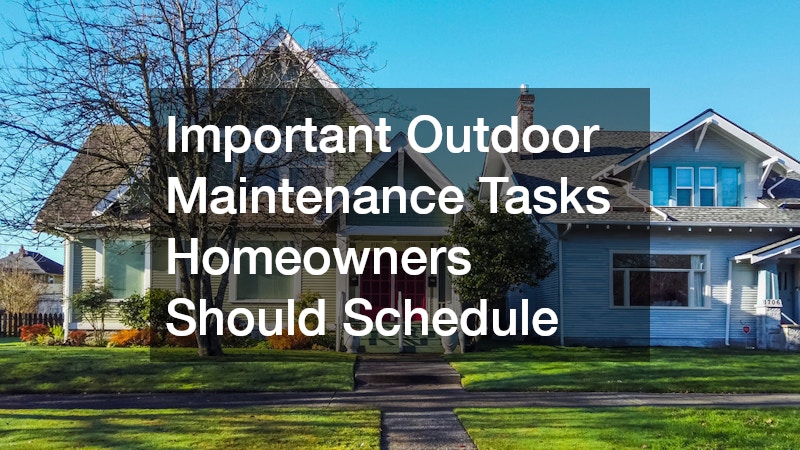
Outdoor maintenance is one of the most important responsibilities of homeownership, yet it is also one of the most commonly delayed. Unlike indoor upkeep, exterior issues often develop slowly and silently—until they suddenly become expensive problems. Overgrown trees can threaten structures, poor drainage can weaken foundations, and neglected lawns or hardscaping can reduce property value and curb appeal.
A well-maintained exterior does more than make a home look attractive. It protects structural integrity, improves safety, and reduces long-term repair costs. Many of these tasks require seasonal attention and professional expertise, especially when dealing with trees, grading, or large-scale landscaping projects.
This guide breaks down the most important outdoor maintenance tasks homeowners should schedule regularly. Each section focuses on practical, actionable steps that help preserve both beauty and function across the entire property.
Improve Yard Planning for Long-Term Outdoor Functionality
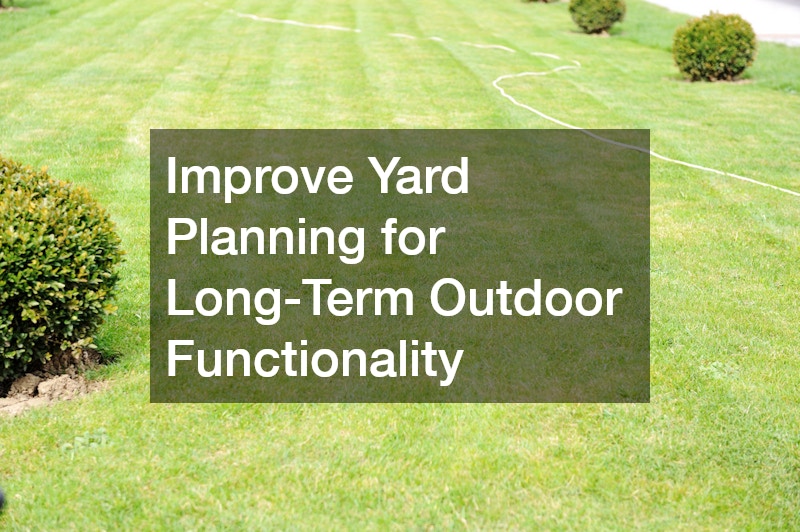
A well-designed yard does not happen by accident. It requires thoughtful planning that accounts for drainage, sunlight, soil conditions, and how the space will actually be used over time. Without a clear plan, homeowners often end up with overcrowded planting areas, uneven lawn coverage, or outdoor spaces that are difficult to maintain.
Working with a landscape designer can help prevent these issues before they start. These professionals evaluate the property as a whole system rather than focusing on isolated features. They consider how water moves across the land, how trees and plants will grow over time, and how different outdoor zones will function together.
A strong yard plan typically includes:
- Defined zones for recreation, relaxation, and utility
- Proper plant spacing for long-term growth
- Drainage planning to prevent pooling and erosion
- Strategic placement of trees and structures
- Low-maintenance planting choices
Good design also reduces future costs. When landscaping is planned correctly from the beginning, homeowners avoid expensive redesigns, plant replacements, and drainage corrections. It also ensures that outdoor spaces remain functional and visually balanced as the property matures.
Manage Tree Hazards and Prevent Structural Damage
Trees add beauty and shade to a property, but they can also become dangerous if not properly maintained. Weak branches, disease, or root instability can lead to serious risks for homes, vehicles, and utility lines. Regular evaluation is essential to prevent these issues from escalating.
When a tree becomes unstable or severely damaged, tree removal may be necessary to protect surrounding structures. This is especially important after storms, prolonged disease, or visible trunk splitting. Delaying removal can increase the risk of falling limbs or complete tree failure, which often results in far more expensive damage.
Homeowners should watch for warning signs such as:
- Large dead branches in the canopy
- Leaning trunks or exposed roots
- Cracks in the main trunk
- Fungal growth at the base
- Sudden loss of leaves or thinning of the canopy
For safe and efficient work, local tree services provide the equipment and expertise needed to handle complex removals. Attempting to remove large trees without professional help can be extremely dangerous and may violate local safety regulations. Professionals also ensure debris is cleared properly and surrounding structures are protected during the process.
Routine inspections help identify problems early, allowing for corrective action before removal becomes necessary.
Maintain Tree Health Through Preventive Care
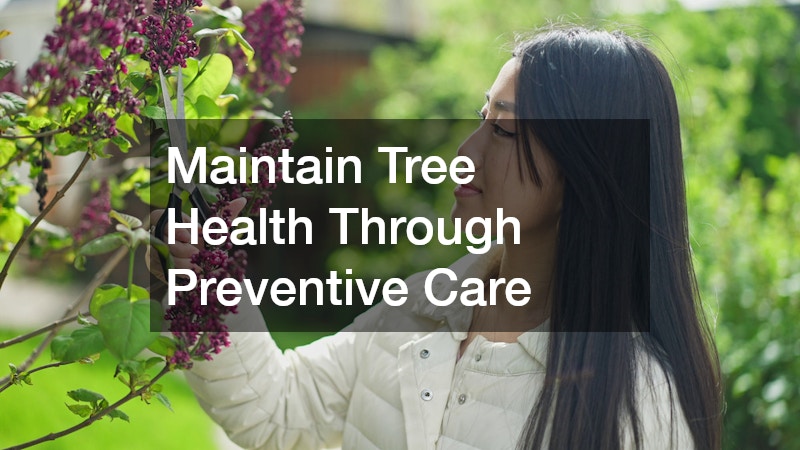
Not all tree maintenance involves removal. In many cases, ongoing care can significantly extend the life and stability of mature trees. Healthy trees enhance property value, improve shade coverage, and reduce energy costs, making regular maintenance an important investment.
Tree care services focus on preserving tree health through structured maintenance programs. These services often include disease management, soil health improvement, fertilization, and structural support for weakened limbs.
Consistent care helps:
- Prevent disease spread
- Strengthen root systems
- Improve resistance to storms
- Enhance overall canopy balance
Routine maintenance also reduces the likelihood of emergency removals. Trees that receive regular attention are less likely to develop structural weaknesses or sudden health declines.
Homeowners benefit most when they:
- Schedule seasonal inspections
- Address small issues before they worsen
- Maintain consistent watering and soil care
- Monitor trees for changes in appearance or growth
Healthy trees require long-term commitment, but the benefits extend across both safety and aesthetics.
Work With Qualified Professionals for Tree Evaluations
Tree maintenance is not always straightforward, especially when dealing with large, mature, or diseased trees. Proper diagnosis requires an understanding of species behavior, soil conditions, and environmental stress factors. That is why professional evaluation is essential before making major decisions.
A local tree company provides region-specific expertise that helps homeowners understand how local climate and soil conditions affect tree health. This is especially valuable in areas with seasonal storms, high humidity, or varying soil types that influence growth patterns.
Professional evaluation typically includes:
- Structural stability assessment
- Disease and pest inspection
- Root system evaluation
- Risk analysis for surrounding structures
Safety is another major reason to rely on professionals. Tree work often involves heavy equipment, climbing, and working near power lines, all of which require proper training and insurance coverage.
Building a relationship with a trusted provider ensures:
- Consistent maintenance history
- Faster response during emergencies
- Better long-term property planning
- More accurate risk assessments
Expert guidance helps homeowners make informed decisions rather than reactive ones.
Maintain Tree Shape and Prevent Overgrowth Issues
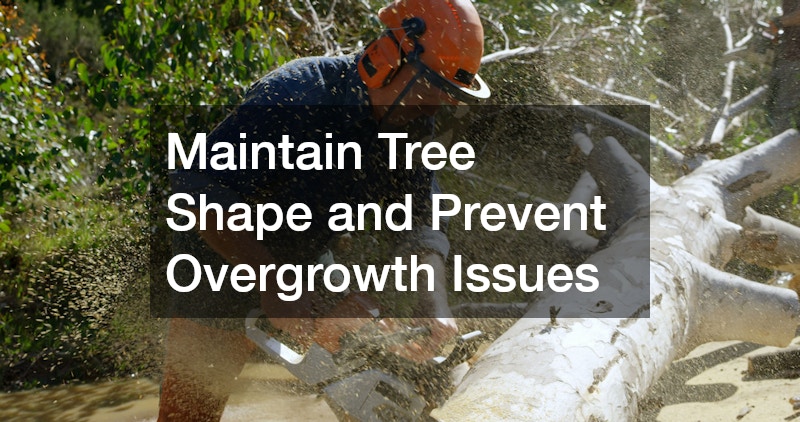
Trees that are left unmanaged can quickly become overgrown, unbalanced, and potentially hazardous. Regular shaping is essential not only for appearance but also for structural health.
Tree pruning helps maintain proper structure by removing dead, weak, or overcrowded branches. This improves airflow, reduces weight stress on limbs, and allows sunlight to reach lower parts of the tree. It also helps prevent branches from interfering with roofs, fences, or power lines.
Proper pruning offers several benefits:
- Reduced risk of storm damage
- Improved tree shape and symmetry
- Healthier growth patterns
- Better light distribution across the property
Timing is also important. Different tree species respond better to pruning at specific times of year, and incorrect timing can stress the tree or slow recovery. Regular pruning schedules help maintain balance and prevent sudden overgrowth that becomes difficult to manage.
When done consistently, pruning supports both safety and long-term landscape aesthetics.
Rely on Specialized Expertise for Tree Health Decisions
Some tree issues are too complex for general maintenance and require advanced diagnostic knowledge. Diseases, root decay, and structural instability often require specialized assessment to determine the best course of action.
A local arborist is trained to evaluate tree health at a deeper biological level, identifying issues that may not be visible during a standard inspection. This includes soil nutrient deficiencies, pest infestations, and internal decay.
Arborists provide:
- Advanced health diagnostics
- Treatment recommendations
- Risk mitigation strategies
- Long-term care planning
Their role is especially important for older trees or valuable species that homeowners want to preserve. Instead of defaulting to removal, an arborist can often recommend treatments that restore health or improve stability.
Regular consultations help homeowners:
- Extend the lifespan of mature trees
- Avoid unnecessary removals
- Improve overall landscape resilience
- Maintain safer outdoor environments
Professional insight ensures decisions are based on science rather than appearance alone.
Restore Lawn Health With Proper Installation Practices
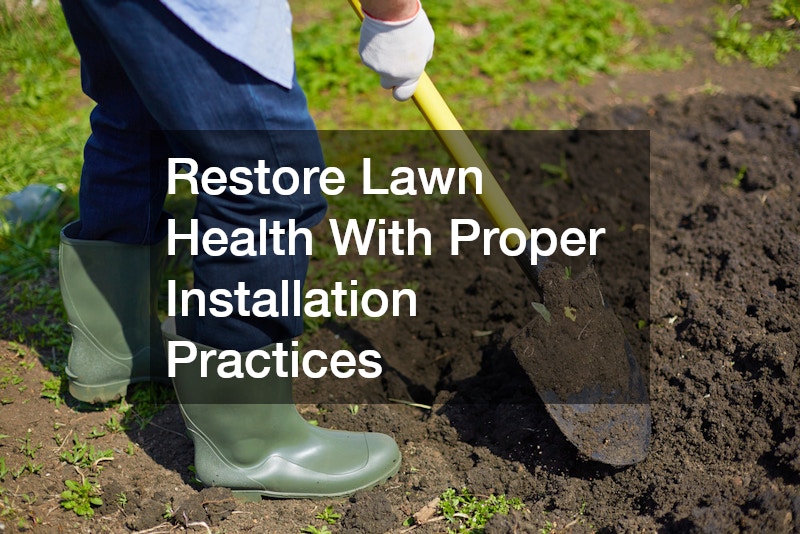
A healthy lawn contributes significantly to curb appeal and overall property value. However, damaged or patchy grass often cannot be restored through simple repair methods alone. In some cases, full replacement is the most effective solution.
A sod installer ensures that new grass is installed correctly, with proper soil preparation and alignment. This is critical for ensuring the sod establishes strong roots and grows evenly across the yard.
Proper installation includes:
- Soil grading and leveling
- Nutrient-rich soil preparation
- Careful placement of sod sections
- Immediate watering schedules
Without proper installation, even high-quality sod can fail to take root, leading to uneven growth and wasted investment. Professional installation helps ensure consistent coverage and long-term durability.
New lawns require ongoing care, especially during the first few weeks, including:
- Frequent watering
- Limited foot traffic
- Early fertilization schedules
- Monitoring for gaps or drying edges
A properly installed lawn creates a strong foundation for long-term outdoor appeal.
Choose Quality Materials for Long-Term Lawn Success
The success of a new lawn depends not only on installation but also on the quality of materials used. Different grass types perform differently depending on climate, soil conditions, and sunlight exposure.
A sod company helps homeowners select the most appropriate grass variety for their specific property conditions. This ensures better long-term performance and reduces the risk of patchy growth or excessive maintenance.
Key considerations include:
- Climate suitability
- Soil compatibility
- Sun and shade balance
- Watering requirements
Professional providers also ensure consistent sod quality, reducing issues like uneven thickness or poor root development. This leads to a healthier, more uniform lawn that establishes quickly.
Long-term maintenance includes:
- Regular mowing schedules
- Seasonal fertilization
- Aeration to improve soil health
- Proper irrigation management
High-quality materials combined with proper care result in stronger, more resilient lawns.
Improve Yard Stability With Structural Landscaping Solutions
Outdoor maintenance is not limited to plants and trees—structural elements also play a major role in property stability. Many homeowners focus heavily on landscaping and tree care while overlooking how the physical shape of the land itself affects long-term safety and usability. Over time, natural forces such as rainfall, freeze-thaw cycles, and soil compaction can gradually shift ground levels. These subtle changes may not be immediately noticeable, but they can eventually lead to drainage problems, uneven surfaces, foundation stress, and reduced functionality of outdoor living areas. Understanding how elevation changes and water flow interact with the property is essential for preventing long-term damage.
Retaining walls are commonly used to manage sloped terrain and prevent soil erosion, but their value goes far beyond simple containment. On properties with hills or uneven grading, these structures help redistribute pressure from shifting soil and create defined, stable sections of usable land. Instead of losing portions of the yard to unusable slopes, homeowners gain functional areas that can support gardens, seating spaces, walkways, or play areas. This transformation can significantly improve both the practicality and appearance of an outdoor space, especially in yards where elevation changes previously limited design options.
Properly designed retaining systems provide several important benefits that extend beyond surface-level improvements. Soil stabilization on sloped properties is one of the most critical functions, as it prevents gradual sliding or shifting that can damage landscaping and nearby structures. Without stabilization, heavy rainfall can loosen soil layers, causing erosion that weakens the overall integrity of the yard. Over time, this can lead to exposed roots, damaged plantings, and even structural issues near foundations or walkways.
Improved drainage control is another essential benefit. Water naturally follows the path of least resistance, and on sloped properties, this often means rapid runoff that can erode soil and create pooling in unwanted areas. A properly engineered retaining system helps redirect and manage this flow, reducing the risk of flooding, saturation, or water damage to nearby structures. When combined with well-designed drainage outlets behind the wall, these systems ensure that water is safely dispersed rather than accumulating pressure behind the structure.
Increased usable yard space is a major advantage that directly impacts how homeowners can enjoy their property. Sloped or uneven land often limits how outdoor areas can be used, making it difficult to install patios, fire pits, gardens, or recreational spaces. Retaining structures effectively “step” the landscape into usable levels, allowing for more intentional design and functional outdoor living areas. This not only enhances day-to-day usability but also improves overall property value by maximizing land efficiency.
Protection against erosion damage is another long-term benefit that cannot be overlooked. Without proper support, soil erosion can gradually undermine landscaping features, damage hardscaping, and even threaten nearby foundations over time. By holding soil in place and controlling water movement, retaining systems act as a protective barrier that preserves both the aesthetic and structural integrity of the property.
Conclusion
Outdoor maintenance is a continuous responsibility that directly impacts a home’s safety, appearance, and long-term value. From tree health and lawn care to structural landscaping and professional planning, each element of the exterior environment works together as a system.
By scheduling regular maintenance and working with qualified professionals, homeowners can prevent costly damage, improve curb appeal, and create safer, more functional outdoor spaces. Consistent care ensures that the property not only looks better but also performs better year after year, adapting smoothly to seasonal changes and long-term growth.